What Is the Floor of the Mouth and Why It Matters
The muscular floor beneath your tongue links your jaw, tongue, neck and airway. Here's the anatomy in plain language, and how it shapes Dr. Neel's FMDI method.


On this page
- The anatomy, in plain language
- What the floor of the mouth does
- Why it matters: Dr. Neel's clinical approach
- What the research does and doesn't support
- What an FMDI session involves
- Patterns that often bring people to this work
- When to see a medical provider
- Frequently asked questions
- Experience the work
- Sources
The floor of the mouth is the muscular sling beneath your tongue, stretching between the two sides of your lower jaw. It supports the tongue, helps you swallow and speak, and links the jaw to the hyoid bone in your upper neck. In Dr. Neel's clinical approach, this area, which he calls the mandibular diaphragm, is a central starting point for whole-body change.
The anatomy, in plain language
Put your thumb gently in the soft area under your chin and swallow. The firming you feel is the floor of your mouth at work. Several structures meet here:
- Mylohyoid muscle. A thin sheet of muscle that runs from the inner surface of the lower jaw on each side. The two halves meet in a seam down the middle and attach at the back to the hyoid bone. Together with the geniohyoid, it forms the muscular floor of the mouth.
- Geniohyoid muscle. A narrow muscle just above the mylohyoid that runs from the inside of the chin back to the hyoid bone.
- Hyoid bone. A small, U-shaped bone in the upper neck that the tongue and many neck muscles attach to. It doesn't form a joint with any other bone and is held in place by muscles and ligaments.
- Genioglossus. The large muscle that forms much of the tongue's body. It starts on the inside of the chin, fans up into the tongue, and its lowest fibers reach the hyoid.
- Lingual frenulum. The fold of tissue connecting the underside of the tongue to the floor of the mouth. When it's restrictive, it's called a tongue-tie.
Why call it a "diaphragm"?
When most people hear "diaphragm," they think of the breathing muscle under the ribs. The word describes a sheet-like layer that spans an opening, and the mylohyoid does that across the lower jaw. That's why it is sometimes called the oral diaphragm. Dr. Neel uses the term mandibular diaphragm to emphasize its close relationship with the jaw (the mandible).
What the floor of the mouth does
This small region does a surprising amount of everyday work:
- Swallowing. The mylohyoid raises the hyoid and the floor of the mouth and helps press the tongue up against the palate to move food and liquid back toward the throat.
- Speaking. It helps shape and steady tongue movement for speech.
- Opening the jaw. When the hyoid is held steady, these muscles help lower the jaw.
- Supporting the tongue and airway. The genioglossus, which sits just above, is the largest of the muscles that help hold the upper airway open. When it activates, the tongue moves forward, away from the back of the throat. Researchers consider it important for keeping the airway open during sleep.
Because these muscles attach to the jaw, tongue and hyoid, and the hyoid connects to muscles running down the neck, the floor of the mouth sits at a crossroads between chewing, swallowing, breathing and head position.
Why it matters: Dr. Neel's clinical approach
The ideas in this section describe Dr. Neel's clinical framework. It grew out of years of hands-on and collaborative tongue-tie care. It is not established medical consensus, and it hasn't been tested in clinical trials.
Dr. Neel created the Floor 4 (Phase Shift) and Functional Mandibular Diaphragmatic Integration (FMDI).
FMDI links the mandibular diaphragm, the floor of the mouth, with whole body alignment and organization.
The working idea is that tension or restriction in the floor of the mouth may influence how the jaw, tongue, neck and breathing organize, and that the rest of the body may compensate. That tension can come from tethered oral tissue, long-standing clenching, mouth breathing, dental work or injury.
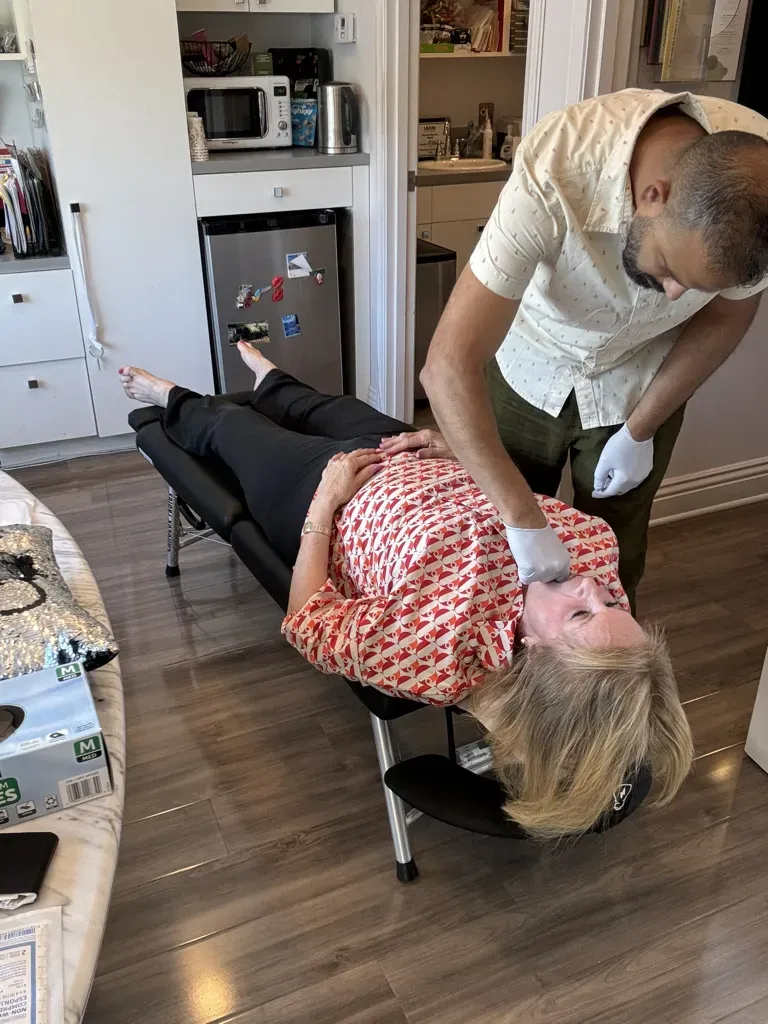
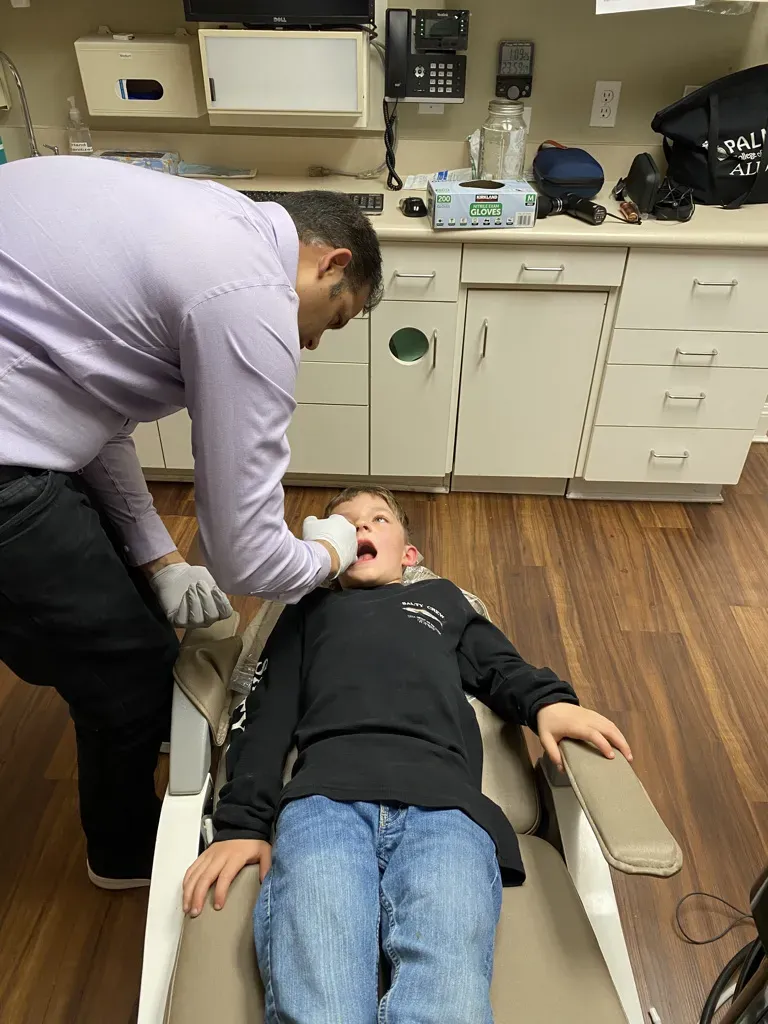
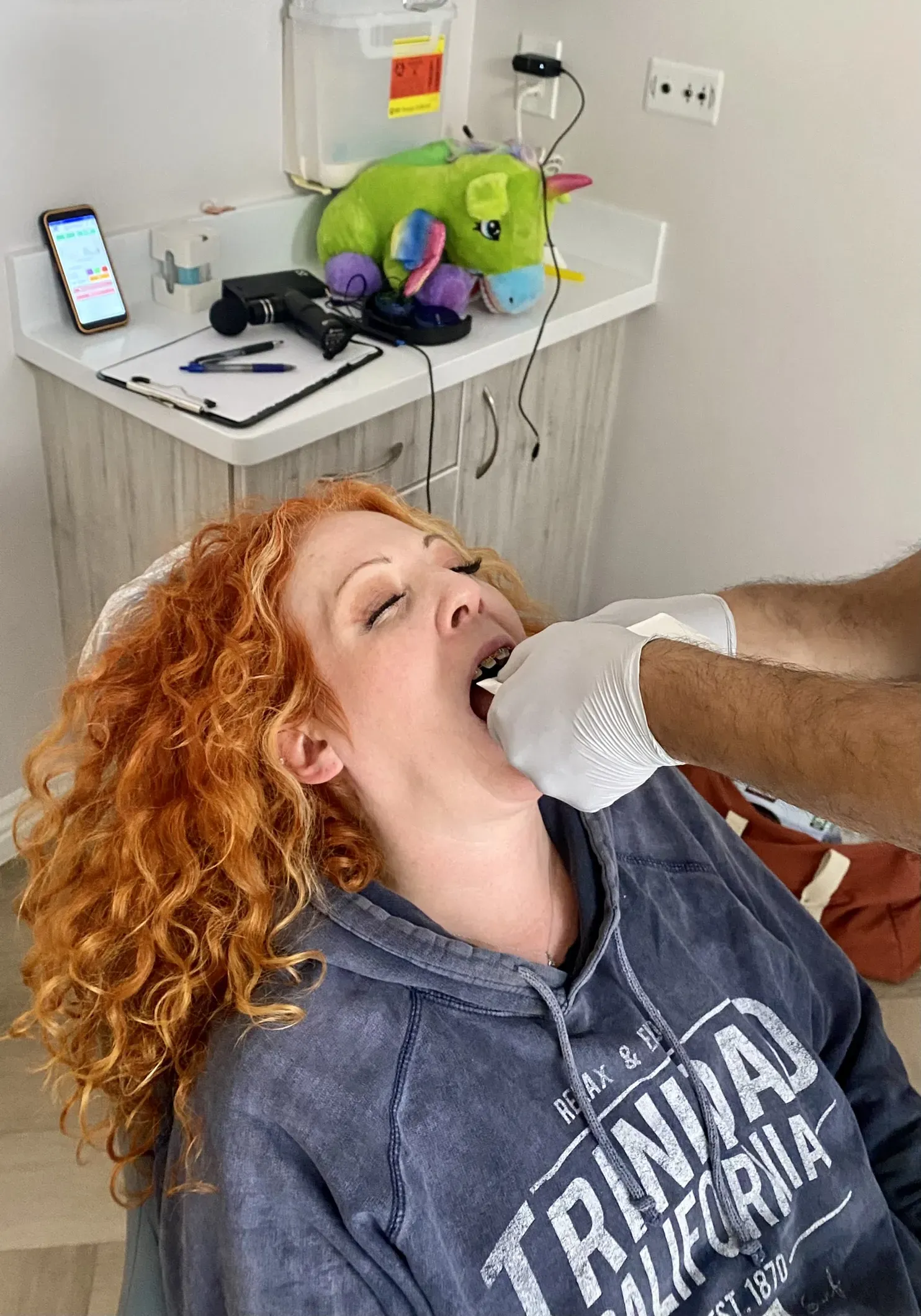
Floor 4 is the hands-on work that releases the mandibular diaphragm. When the floor frees, Dr. Neel describes the body as undergoing a Phase Shift: a rapid, system-wide reorganization. Clients commonly describe easier breathing, improved alignment and more efficient movement. Individual experiences vary, and these are reports from clients, not measured outcomes.
What the research does and doesn't support
It helps to separate what's well established from what's still clinical observation.
Well established:
- The floor of the mouth, the tongue and the hyoid are physically connected to the jaw and neck.
- The genioglossus plays a key role in keeping the upper airway open.
- Jaw and neck problems often travel together. A 2020 systematic review found that people with jaw disorders tend to have more neck disability and less neck mobility.
Not yet established:
- That releasing the floor of the mouth produces system-wide changes in posture, breathing or movement
- The specific links FMDI draws between the floor of the mouth and whole body alignment and organization
These remain clinical hypotheses that come from practice. Being clear about that is part of good care.
What an FMDI session involves
Sessions usually follow three broad steps:
- Map the whole system. A head-to-toe assessment of muscles, bones, fascia and breathing, including the mouth, to tell primary drivers apart from compensations.
- Free the floor. Floor 4 work addresses the mandibular diaphragm. It can be gentle, slow and subtle, or deeper and more structural when that's needed and welcomed. You set the pace.
- Integrate. The change is connected through the whole body using breathwork, movement and gait-based integration. You leave with a personalized plan to reinforce it at home.
In the System Reset Experience, integration often continues with a session on the Santa Barbara shoreline, so the change carries into how you breathe, stand and walk.
Patterns that often bring people to this work
People come to Dr. Neel for many reasons, including:
- Jaw tension, clenching or TMJ symptoms (see TMJ and jaw tension)
- A history of tongue-tie, or support before and after a release
- Mouth breathing or low tongue posture
- Persistent neck and shoulder tension or headaches
- Recovery around dental, orthodontic or palatal expansion care
Each of these has many possible causes, and none of them means the floor of the mouth is "the" problem.
When to see a medical provider
See a dentist or doctor promptly for:
- A lump, swelling or sore in the mouth or under the jaw that doesn't heal within about two weeks
- New or worsening difficulty swallowing, or frequent choking
- Mouth or jaw pain with fever
Get emergency care right away for rapid swelling under the tongue or jaw, or any difficulty breathing.
Frequently asked questions
What is the mandibular diaphragm?
It's the term Dr. Neel uses for the muscular floor of the mouth, mainly the mylohyoid and its neighbors, which spans the lower jaw beneath the tongue.
Is FMDI the same as myofunctional therapy?
No. Myofunctional therapy is an exercise-based program, usually guided by a trained therapist, that retrains tongue, lip and swallowing patterns. FMDI is Dr. Neel's hands-on integration method. They can work well together.
What does a "Phase Shift" feel like?
It's the term Dr. Neel uses for the rapid, system-wide reorganization he observes when the mandibular diaphragm releases. Clients commonly describe easier breathing, feeling more aligned and moving more efficiently. Not everyone experiences it the same way.
Is there research on FMDI?
FMDI is a clinical method built from hands-on experience and collaborative care. To our knowledge, it has not yet been studied in published clinical trials. The anatomy it builds on is well documented.
Can practitioners learn the method?
Yes. Dr. Neel teaches Floor 4 to healthcare professionals through hands-on practitioner trainings.
Experience the work
To feel what freeing the floor of the mouth is like, the System Reset Experience offers 1-day and 2-day immersive sessions in Santa Barbara. You can read more about Dr. Neel and how the method developed, or send an inquiry to talk through whether it's a good fit.
This article is for educational purposes and isn't a substitute for individual medical advice. Please talk with your dentist, doctor or other licensed provider about your specific situation.
Sources
- Kenhub. Mylohyoid muscle: origin, insertion, innervation and action
- Cori JM, O'Donoghue FJ, Jordan AS. Sleeping tongue: current perspectives of genioglossus control in healthy individuals and patients with obstructive sleep apnea. Nature and Science of Sleep, 2018.
- Cleveland Clinic. Tongue-Tie (Ankyloglossia): Symptoms, Causes & Treatment
- Cuenca-Martínez F, et al. Craniocervical and Cervical Spine Features of Patients with Temporomandibular Disorders: A Systematic Review and Meta-Analysis of Observational Studies. Journal of Clinical Medicine, 2020.